Hey there! As a supplier of Aluminium Tilt And Turn Windows, I often get asked if these windows are energy - efficient. Well, let's dig into this topic and find out the truth.
First off, let's understand why energy efficiency in windows matters. In today's world, we're all looking for ways to save on energy bills and reduce our carbon footprint. Windows play a huge role in this. They can either keep the warm air inside during winter and block the heat during summer, or they can let all that energy escape or seep in. So, having energy - efficient windows is a win - win situation for both our wallets and the environment.
How Aluminium Tilt And Turn Windows Work
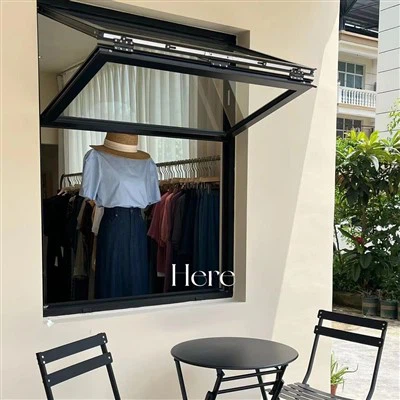
Aluminium tilt and turn windows have a unique design. They can be opened in two ways: tilted inwards from the top, which is great for ventilation as it allows fresh air to enter without letting rain in. And when you need more access or a larger opening, you can turn the window inwards like a regular casement window.
The aluminium frames of these windows are known for their strength and durability. They're resistant to corrosion, which means they'll last a long time without losing their functionality. But the question is, how do these features translate into energy efficiency?
Insulation Properties
One of the key factors in determining a window's energy efficiency is its insulation ability. Aluminium, on its own, is a good conductor of heat. This means that in theory, it could let heat pass through easily, making it seem like a poor choice for energy - efficient windows. However, modern aluminium tilt and turn windows have come a long way.
Manufacturers use thermal breaks in the aluminium frames. A thermal break is essentially a material (usually a type of plastic) that is inserted between the inner and outer parts of the aluminium frame. This break disrupts the flow of heat through the metal, reducing the amount of heat transfer. So, even though aluminium is a conductor, the thermal break helps to keep the indoor temperature more stable.
Another aspect of insulation is the glass used in these windows. Most aluminium tilt and turn windows come with double - or triple - glazed glass. Double - glazed glass consists of two panes of glass with a layer of air or gas (like argon) in between. This layer acts as an insulator, reducing heat transfer through the glass. Triple - glazed glass takes it a step further with three panes and two insulating layers, providing even better insulation.
Air Leakage
Air leakage is another big factor in energy efficiency. If air can easily leak in or out through the windows, it means your heating or cooling system has to work harder to maintain the desired temperature. Aluminium tilt and turn windows are designed with tight seals. When the window is closed, these seals prevent air from seeping through the gaps between the frame and the sash.
The tilt and turn mechanism also contributes to better sealing. When the window is tilted, the seals are still in place, and when it's fully turned and closed, the seal is even more secure. This reduces the amount of air leakage, which in turn helps to save energy.
Comparing with Other Types of Windows
Let's compare aluminium tilt and turn windows with some other popular window types. For example, Vertical Single Hung Windows. Single - hung windows have one movable sash, usually the bottom one. While they are a common choice, they often have more air leakage issues compared to aluminium tilt and turn windows. The design of single - hung windows makes it difficult to achieve a tight seal around the movable sash.
Thermal Aluminium Windows are also a great alternative, but aluminium tilt and turn windows offer more flexibility in terms of ventilation and access. Thermal aluminium windows are mainly focused on insulation, but the tilt and turn feature of our windows adds an extra layer of functionality.


Casement UPVC Windows With Grill are another option. UPVC is a good insulator, but aluminium tilt and turn windows are more durable and have a more modern look. UPVC can sometimes warp over time, especially in extreme temperatures, while aluminium frames maintain their shape and integrity.
Energy - Saving Benefits
So, what are the actual energy - saving benefits of using aluminium tilt and turn windows? Well, studies have shown that energy - efficient windows can reduce heating and cooling costs by a significant amount. In winter, your heating system won't have to work as hard to keep your home warm because the windows are preventing heat from escaping. In summer, they block out the sun's heat, reducing the need for air conditioning.
Not only does this save you money on your energy bills, but it also reduces your overall energy consumption. This is great for the environment as it means less reliance on fossil fuels for energy production.
Noise Reduction
Apart from energy efficiency, aluminium tilt and turn windows also offer good noise reduction. The double - or triple - glazed glass, along with the tight seals, helps to block out external noise. This is especially useful if you live in a busy area or near a main road. You can enjoy a quieter and more peaceful indoor environment.
Maintenance
Another advantage of aluminium tilt and turn windows is that they are relatively easy to maintain. The aluminium frames don't need painting or staining like some wooden windows. You just need to clean them regularly with a mild detergent and water. The hardware of the tilt and turn mechanism is also designed to be long - lasting and requires minimal maintenance.
Conclusion
In conclusion, aluminium tilt and turn windows are definitely energy - efficient. Thanks to features like thermal breaks, double - or triple - glazed glass, and tight seals, they can significantly reduce heat transfer and air leakage. They also offer other benefits such as flexibility in ventilation, noise reduction, and easy maintenance.
If you're looking for a window that combines energy efficiency, durability, and functionality, then aluminium tilt and turn windows are a great choice. And as a supplier, I'm here to help you find the perfect windows for your needs. Whether you're building a new home or renovating an existing one, we have a wide range of options available.
If you're interested in learning more or making a purchase, don't hesitate to reach out. Let's have a chat about how our aluminium tilt and turn windows can make your home more energy - efficient and comfortable.
References
- "Energy Efficiency in Windows: A Comprehensive Guide" - National Window Association
- "The Impact of Window Design on Energy Consumption" - Journal of Sustainable Building Technology
- "Comparative Study of Different Window Materials and Their Energy Performance" - Building Science Research Institute