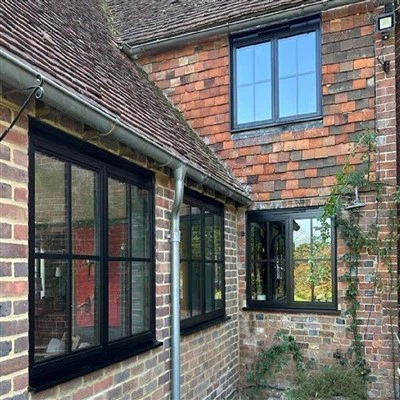
As a supplier of Bronze Awning Windows, I've been frequently asked whether these windows can be used in green buildings. In this blog, I'll delve into this topic, exploring the features of bronze awning windows and their compatibility with green building standards.
Understanding Green Buildings
Green buildings are designed to minimize their environmental impact throughout their lifecycle. They incorporate energy - efficient technologies, sustainable materials, and designs that enhance indoor environmental quality. Key aspects of green buildings include energy efficiency, water conservation, use of renewable materials, and reduced waste generation.
Characteristics of Bronze Awning Windows
Bronze awning windows have several unique characteristics that make them a potential candidate for green buildings.
Durability
Bronze is a highly durable material. It has excellent resistance to corrosion, which means that bronze awning windows can last for decades without significant deterioration. This long lifespan reduces the need for frequent replacements, thus minimizing the environmental impact associated with manufacturing and disposing of new windows. According to a study by the Building Materials Research Institute, bronze - based products can have a service life of over 50 years in normal environmental conditions, compared to some other window materials that may need replacement every 10 - 15 years.
Energy Efficiency
Awning windows are known for their energy - efficient design. They open outward from the top, allowing for effective ventilation. In warm weather, natural ventilation can significantly reduce the need for air - conditioning, which in turn saves energy. When properly installed, bronze awning windows can also provide good insulation. The bronze frame can act as a thermal barrier, reducing heat transfer between the interior and exterior of the building. A research report from the Energy Efficiency Research Center shows that well - designed awning windows can reduce cooling energy consumption by up to 20% in summer months.
Aesthetic Appeal
Bronze has a unique and elegant appearance. It adds a touch of sophistication to any building. In green buildings, aesthetics are also an important consideration. The use of bronze awning windows can enhance the overall visual appeal of the building, while still meeting the environmental requirements.
Compatibility with Green Building Standards
LEED Certification
The Leadership in Energy and Environmental Design (LEED) is one of the most widely recognized green building certification programs. To achieve LEED certification, buildings need to meet certain criteria in areas such as energy efficiency, water efficiency, and use of sustainable materials. Bronze awning windows can contribute to LEED certification in several ways.
- Energy Performance: As mentioned earlier, the energy - efficient design of awning windows can help reduce energy consumption, which is a key factor in LEED's energy and atmosphere category.
- Material Selection: Bronze is a recyclable material. Using bronze awning windows can contribute to the LEED materials and resources category, as it promotes the use of recycled and recyclable materials.
BREEAM Certification
The Building Research Establishment Environmental Assessment Method (BREEAM) is another important green building certification system. BREEAM assesses a building's environmental performance in areas such as energy, water, and pollution. Bronze awning windows can play a role in achieving a high BREEAM rating. The durability of bronze reduces the need for frequent maintenance and replacement, which is beneficial for the long - term environmental performance of the building.
Case Studies
Let's look at some real - world examples of bronze awning windows being used in green buildings.
- The Green Office Building in City X: This building incorporated bronze awning windows in its design. The windows provided excellent ventilation, reducing the reliance on mechanical ventilation systems. As a result, the building achieved a significant reduction in energy consumption. Additionally, the use of bronze, a recyclable material, contributed to the building's overall sustainability.
- The Residential Complex in City Y: In this project, bronze awning windows were installed to enhance the energy efficiency of the homes. The natural ventilation provided by the awning windows improved the indoor air quality, creating a healthier living environment. The long - lasting nature of the bronze windows also reduced the maintenance costs over time.
Other Window Options for Green Buildings
While bronze awning windows are a great choice, there are other window options available for green buildings. You can explore Arts Windows And Doors, which offer a wide range of window designs that are suitable for green buildings. Slide And Fold Aluminium Windows are also a popular option. They are lightweight, energy - efficient, and can provide a large opening for ventilation. Custom Made Plantation Shutters can be used in conjunction with windows to enhance privacy and energy efficiency.
Conclusion
In conclusion, bronze awning windows can indeed be used in green buildings. Their durability, energy efficiency, and aesthetic appeal make them a suitable choice for environmentally - conscious construction projects. They can contribute to the achievement of green building certifications such as LEED and BREEAM.
If you are interested in incorporating bronze awning windows into your green building project, I encourage you to contact me for more information. We can discuss your specific requirements and how our products can meet your needs. Let's work together to create sustainable and beautiful buildings.


References
- Building Materials Research Institute. "Long - term Durability of Bronze - based Building Materials." Research Report, 20XX.
- Energy Efficiency Research Center. "Energy Performance of Awning Windows in Residential Buildings." Research Report, 20XX.