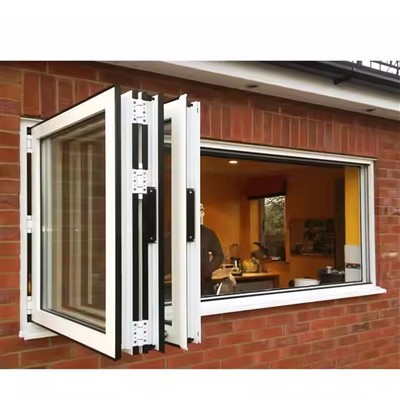
When it comes to selecting windows for properties in high - wind areas, the performance of the chosen windows is of utmost importance. As a supplier of Aluminium Bifold Windows, I've had the opportunity to closely observe how these windows fare in such challenging environments.
Structural Integrity of Aluminium Bifold Windows
Aluminium is a material known for its high strength - to - weight ratio. This characteristic makes Aluminium Bifold Windows an excellent choice for high - wind areas. The frames of these windows are able to withstand large amounts of lateral force exerted by strong winds without significant deformation.
In comparison to other materials such as wood or PVC, aluminium frames are less likely to warp or crack under high - wind pressure. Wood, for instance, can absorb moisture, which may lead to swelling and weakening of the structure over time. PVC, on the other hand, may experience thermal expansion and contraction, which can compromise its integrity in extreme weather conditions. Aluminium, however, remains stable, providing a reliable barrier against the elements.
The design of bifold windows also contributes to their structural stability. These windows typically consist of multiple panels that fold together, allowing for a large opening when desired. The interlocking mechanism between the panels distributes the wind load evenly across the entire window assembly. This ensures that the force is not concentrated on a single point, reducing the risk of damage.
Air and Water Infiltration Resistance
In high - wind areas, the ability of windows to resist air and water infiltration is crucial. Aluminium Bifold Windows are designed with advanced sealing systems to prevent air and water from entering the building. The seals are typically made of high - quality rubber or silicone, which provide a tight and durable barrier.
During high - wind events, strong gusts can force air and water through small gaps in the windows. However, the precision engineering of Aluminium Bifold Windows minimizes these gaps. The frames are manufactured to exacting standards, ensuring a proper fit between the panels and the surrounding structure. Additionally, the weatherstripping around the edges of the windows is designed to compress under pressure, further enhancing the seal.
This resistance to air and water infiltration has several benefits. Firstly, it helps to maintain a comfortable indoor environment by preventing drafts and moisture from entering the building. This can lead to lower energy costs as the heating and cooling systems do not have to work as hard to maintain a consistent temperature. Secondly, it protects the interior of the building from water damage, which can cause mold growth and structural deterioration.
Impact Resistance
High - wind areas are often prone to flying debris, such as branches, stones, and even small objects that are picked up by the wind. Aluminium Bifold Windows can be equipped with impact - resistant glass to protect the building from these hazards.
Impact - resistant glass is designed to withstand the force of a direct impact without shattering. Instead, it may crack but remain intact, preventing debris from entering the building. This type of glass is typically made by laminating two or more layers of glass together with a polyvinyl butyral (PVB) interlayer. The PVB interlayer holds the glass together in the event of a breakage, providing an additional layer of protection.
In addition to the glass, the aluminium frames also contribute to the impact resistance of the windows. The strong and rigid frames can absorb and distribute the impact force, reducing the likelihood of the window being completely destroyed. This is especially important in areas prone to hurricanes or severe storms, where the risk of flying debris is significantly higher.
Installation and Maintenance
Proper installation is key to ensuring the optimal performance of Aluminium Bifold Windows in high - wind areas. A professional installer will ensure that the windows are correctly aligned and securely fastened to the building structure. This includes using the appropriate hardware and following the manufacturer's installation instructions.
During the installation process, it is important to pay attention to the flashing and sealing around the windows. Flashing is a thin material, usually made of metal or plastic, that is installed around the edges of the window to prevent water from seeping behind the frame. Proper sealing ensures that there are no gaps or cracks where air or water can enter.
Maintenance of Aluminium Bifold Windows is relatively straightforward. Regular cleaning of the frames and glass will help to keep them in good condition. The seals should be inspected periodically for signs of wear or damage and replaced if necessary. Additionally, the hinges and other moving parts should be lubricated to ensure smooth operation.

Comparing with Other Window Types
When compared to other window types, Aluminium Bifold Windows have several advantages in high - wind areas. For example, traditional single - hung or double - hung windows may not provide the same level of structural integrity or air and water infiltration resistance. These windows typically have a single sash that slides up and down, which may be more susceptible to wind damage.
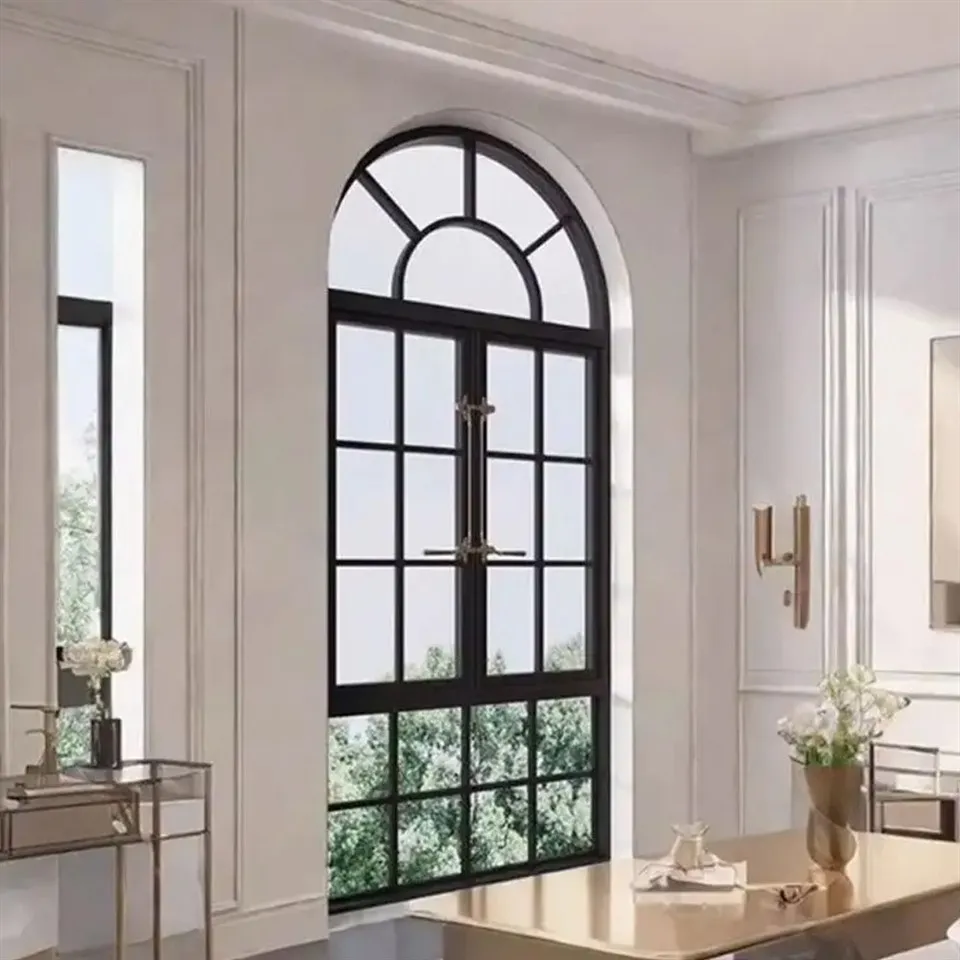
Casement windows, while offering good ventilation, may also be less suitable for high - wind areas. The hinges on casement windows can be a weak point, especially if they are not properly installed or maintained. In strong winds, the force on the window can cause the hinges to break, allowing the window to swing open or even detach from the building.
Applications and Customer Satisfaction
Aluminium Bifold Windows are suitable for a wide range of applications in high - wind areas, including residential homes, commercial buildings, and coastal properties. In residential settings, these windows can enhance the aesthetic appeal of the home while providing the necessary protection against the elements. They can be used to create a seamless transition between indoor and outdoor living spaces, allowing homeowners to enjoy the view and fresh air when the weather permits.
In commercial buildings, Aluminium Bifold Windows can be used in offices, restaurants, and retail stores. They provide a modern and stylish look while ensuring the safety and comfort of the occupants. Coastal properties, in particular, benefit from the durability and performance of these windows, as they are often exposed to harsh weather conditions.
Customer satisfaction with Aluminium Bifold Windows in high - wind areas has been high. Many customers appreciate the combination of style, functionality, and durability that these windows offer. The ability to withstand strong winds and protect the building from damage gives them peace of mind, especially during hurricane season or other severe weather events.
Conclusion
In conclusion, Aluminium Bifold Windows perform exceptionally well in high - wind areas. Their structural integrity, air and water infiltration resistance, impact resistance, and ease of installation and maintenance make them a reliable choice for properties in these challenging environments. Whether you are building a new home, renovating an existing property, or looking for windows for a commercial building, Aluminium Bifold Windows are a great option.
If you are interested in learning more about our Aluminium House Windows, Custom Made Plantation Shutters, or Custom French Windows, or if you would like to discuss your specific requirements for high - wind areas, please feel free to contact us. We are here to assist you in making the best choice for your property.
References
- "Aluminium in Building Construction" - A comprehensive guide on the use of aluminium in construction, including its properties and benefits.
- "Window Performance Standards for High - Wind Areas" - Published by industry standards organizations, this document outlines the requirements for windows in high - wind regions.
- "Impact - Resistant Glass Technology" - Research papers and technical reports on the development and performance of impact - resistant glass.