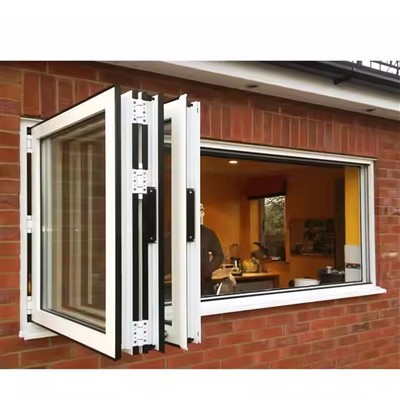
Hey there! As a doors supplier, I've seen my fair share of bifold door issues. Bifold doors are super convenient, offering a great way to save space and add a modern touch to any home or commercial space. But sometimes, they can act up and need a little adjustment. In this blog, I'll walk you through how to adjust a bifold door like a pro.
Understanding Bifold Doors
Before we jump into the adjustment process, let's briefly talk about what bifold doors are. Bifold doors are made up of two or more panels that fold in on themselves. They're commonly used for closets, patios, and interior partitions. They're a popular choice because they're easy to open and close, and they don't take up much space when opened.
There are different types of bifold doors, such as Aluminium Bifold Patio Door, which are great for outdoor use due to their durability and weather resistance. Swinging French Doors and French Doors Arched Interior also have their unique charm and functionality, but we'll focus on bifold doors in this guide.
Tools You'll Need
To adjust a bifold door, you'll need a few basic tools. Here's what you should gather:
- Screwdriver: Both a flathead and a Phillips-head screwdriver will come in handy.
- Pliers: These can be useful for adjusting some of the hardware.
- Measuring tape: To ensure that the door is properly aligned.
- Hammer: A small hammer can be used to tap the door into place if needed.
Step 1: Check the Alignment
The first thing you need to do is check if the bifold door is properly aligned. You can do this by looking at the top and bottom of the door. If the door is rubbing against the frame or not closing smoothly, it's likely out of alignment.
Start by checking the top track. The rollers on the top of the door should be sitting properly in the track. If they're not, you may need to adjust the height of the rollers. Use a screwdriver to loosen the screws on the roller brackets. Then, you can either raise or lower the rollers as needed. Once you've made the adjustment, tighten the screws back up.
Next, check the bottom of the door. There should be a pivot or a guide at the bottom that keeps the door in place. If the door is not sitting straight, you may need to adjust this pivot or guide. Use a screwdriver to loosen the screws on the pivot or guide, and then move it into the correct position. Tighten the screws back up when you're done.
Step 2: Adjust the Hinges
The hinges on a bifold door are another important part that may need adjustment. Over time, the hinges can become loose or misaligned, causing the door to sag or not close properly.
To adjust the hinges, start by opening the door fully. Look at the hinge pins. If they're loose, you can use pliers to gently tap them back into place. If the hinge is still loose after that, you may need to tighten the screws on the hinge. Use a screwdriver to tighten the screws, but be careful not to overtighten them, as this can strip the screw holes.
If the door is sagging, you may need to adjust the position of the hinge. Loosen the screws on the hinge bracket, and then move the hinge up or down slightly. This can help to level the door and make it close more smoothly. Once you've made the adjustment, tighten the screws back up.
Step 3: Lubricate the Moving Parts
Lubrication is key to keeping your bifold door working smoothly. Over time, the rollers, hinges, and other moving parts can become dry and start to make noise or not move as easily.
You can use a silicone-based lubricant or a dry graphite lubricant to lubricate the moving parts. Start by cleaning the rollers and hinges with a dry cloth to remove any dirt or debris. Then, apply the lubricant to the rollers, hinge pins, and any other moving parts. Make sure to work the lubricant in well by opening and closing the door a few times.
Step 4: Check the Door Panels
Sometimes, the issue with a bifold door can be with the door panels themselves. If the panels are warped or damaged, it can affect the way the door operates.
Inspect the door panels for any signs of damage, such as cracks, dents, or warping. If you notice any damage, you may need to replace the panel. This can be a bit more involved, but it's often necessary to get the door working properly again.
If the panels are just dirty, you can clean them with a mild detergent and water. Use a soft cloth to wipe down the panels, and then dry them thoroughly. This can help to improve the appearance of the door and make it operate more smoothly.


Step 5: Test the Door
Once you've made all the necessary adjustments, it's time to test the door. Open and close the door several times to make sure it's working smoothly. Check to see if it closes properly and doesn't rub against the frame. If you notice any issues, go back and make further adjustments as needed.
Conclusion
Adjusting a bifold door may seem like a daunting task, but with the right tools and a little know-how, it's something you can do yourself. By following these steps, you can keep your bifold door in top condition and ensure that it operates smoothly for years to come.
If you're in the market for new bifold doors or need any other types of doors, like Aluminium Bifold Patio Door, Swinging French Doors, or French Doors Arched Interior, don't hesitate to reach out. We're here to help you find the perfect doors for your space and answer any questions you may have.
References
- Home Improvement Magazine: Various articles on door maintenance and repair.
- DIY Home Repair Guides: Online resources for basic home repair tasks.