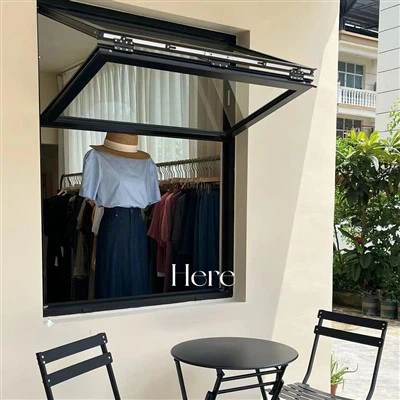
When it comes to enhancing the aesthetic appeal and functionality of your home or commercial space, the choice of texture for arts on windows and doors plays a pivotal role. As a leading supplier of Arts Windows and Doors, I understand the significance of this decision and am here to guide you through the process. In this blog, I'll share valuable insights on how to choose the right texture for arts on windows and doors, ensuring that your selection not only complements your interior and exterior design but also meets your practical needs.
Understanding the Importance of Texture in Window and Door Arts
Texture is more than just a visual element; it adds depth, character, and tactile interest to your windows and doors. A well-chosen texture can transform a plain surface into a work of art, creating a focal point that draws the eye and enhances the overall ambiance of a room. Additionally, texture can have practical benefits, such as providing grip for handles and knobs or adding durability to the surface.
Factors to Consider When Choosing Texture
1. Style and Design
The first step in choosing the right texture for arts on windows and doors is to consider the style and design of your space. Whether you have a modern, traditional, rustic, or contemporary aesthetic, the texture you choose should complement and enhance the existing design elements. For example, if you have a modern home with clean lines and minimalistic decor, a smooth, glossy texture may be the perfect choice to create a sleek and sophisticated look. On the other hand, if you have a rustic or farmhouse-style home, a textured or distressed finish can add warmth and character.
2. Functionality
In addition to style, it's important to consider the functionality of your windows and doors. Different textures can have different effects on the performance of your windows and doors, such as their durability, ease of cleaning, and resistance to wear and tear. For example, if you live in an area with high humidity or frequent rain, a smooth, non-porous texture may be more resistant to moisture and easier to clean. If you have children or pets, a textured surface may be more durable and less likely to show scratches and scuffs.
3. Lighting
Lighting can have a significant impact on the appearance of texture. Natural light can highlight the depth and dimension of a textured surface, while artificial light can create different effects depending on the type and direction of the light. When choosing a texture, consider the lighting conditions in your space and how the texture will look under different lighting scenarios. For example, a textured surface may appear more dramatic and three-dimensional in direct sunlight, while a smooth surface may reflect light more evenly and create a softer, more subtle effect.
4. Maintenance
Another important factor to consider is the maintenance requirements of the texture you choose. Some textures may require more frequent cleaning and maintenance than others, especially if they are porous or have deep grooves that can trap dirt and debris. Before making a decision, consider how much time and effort you are willing to invest in maintaining your windows and doors and choose a texture that is easy to clean and maintain.
Types of Textures for Arts on Windows and Doors
1. Smooth and Glossy
Smooth and glossy textures are a popular choice for modern and contemporary designs. They create a sleek and sophisticated look that is easy to clean and maintain. Smooth surfaces reflect light evenly, creating a bright and airy feel in a room. However, they may show fingerprints and smudges more easily than textured surfaces.
2. Textured and Matte
Textured and matte textures add depth and character to windows and doors. They can mimic the look of natural materials such as wood, stone, or brick, creating a warm and inviting atmosphere. Textured surfaces are less likely to show fingerprints and smudges, making them a practical choice for high-traffic areas. However, they may require more frequent cleaning to prevent dirt and debris from accumulating in the grooves.
3. Distressed and Weathered
Distressed and weathered textures are a popular choice for rustic and farmhouse-style designs. They create a vintage and aged look that adds charm and character to a space. Distressed surfaces can be achieved through various techniques, such as sanding, staining, or painting, to create a worn and weathered appearance. However, they may require more maintenance than smooth or textured surfaces to prevent the finish from peeling or chipping.
4. Embossed and Raised
Embossed and raised textures add a three-dimensional element to windows and doors. They can create a bold and dramatic look that makes a statement in a room. Embossed surfaces can be achieved through various techniques, such as stamping, molding, or carving, to create a raised pattern or design. However, they may be more difficult to clean and maintain than smooth or textured surfaces, especially if the pattern is intricate or detailed.
Examples of Textures in Different Window and Door Styles
1. Hurricane Proof Awning Windows
Hurricane proof awning windows are designed to withstand high winds and heavy rain, making them a practical choice for coastal areas. When choosing a texture for these windows, it's important to consider their functionality and durability. A smooth, non-porous texture may be the best choice to prevent moisture from seeping into the window frame and causing damage. Additionally, a glossy finish can reflect sunlight and reduce heat transfer, making your home more energy-efficient.
2. Aluminium Bifold Window
Aluminium bifold windows are a popular choice for modern and contemporary homes. They offer a sleek and stylish look that maximizes natural light and ventilation. When choosing a texture for these windows, it's important to consider their style and design. A smooth, glossy texture can create a sleek and sophisticated look that complements the modern aesthetic of the window. Alternatively, a textured or matte finish can add depth and character to the window, making it a focal point in the room.
3. Fixed Skylight Window
Fixed skylight windows are a great way to bring natural light into a room and create a sense of openness and spaciousness. When choosing a texture for these windows, it's important to consider their location and the amount of sunlight they receive. A smooth, non-porous texture may be the best choice to prevent dirt and debris from accumulating on the window surface and blocking the sunlight. Additionally, a glossy finish can reflect sunlight and reduce heat transfer, making your home more energy-efficient.
Conclusion
Choosing the right texture for arts on windows and doors is an important decision that can have a significant impact on the aesthetic appeal and functionality of your home or commercial space. By considering factors such as style, functionality, lighting, and maintenance, you can select a texture that complements your existing design elements and meets your practical needs. As a supplier of Arts Windows and Doors, I am committed to helping you make the right choice and providing you with high-quality products that enhance the beauty and value of your property.


If you're interested in learning more about our products or would like to discuss your window and door needs, please don't hesitate to contact us. Our team of experts is here to assist you and provide you with personalized solutions that meet your specific requirements. Let's work together to create the perfect windows and doors for your space.
References
- Interior Design Magazine
- Home Improvement Journal
- Architectural Digest