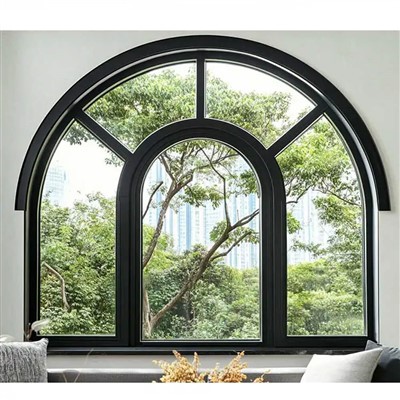
As a supplier of architectural windows and doors, I've witnessed firsthand the widespread use of vinyl in the industry. Vinyl, or polyvinyl chloride (PVC), has long been lauded for its affordability, durability, and low maintenance. However, like any material, it comes with its own set of drawbacks. In this blog post, I'll delve into the disadvantages of using vinyl for architectural windows and doors, offering a balanced perspective to help you make an informed decision for your next project.
Limited Aesthetic Appeal
One of the most significant drawbacks of vinyl windows and doors is their limited aesthetic flexibility. Unlike materials such as wood or aluminum, vinyl has a more uniform appearance that can be difficult to customize. While vinyl can be manufactured in a variety of colors, the color options are often limited compared to other materials. Additionally, the texture of vinyl is typically smooth and plastic-like, which may not be as visually appealing as the natural grain of wood or the sleek finish of aluminum.
For those seeking a more traditional or high-end look, vinyl may not be the best choice. Wood windows and doors, for example, offer a warm and inviting aesthetic that can enhance the character of any home. They can be stained or painted to match the interior and exterior of the building, providing a customized look that is difficult to achieve with vinyl. Similarly, aluminum windows and doors offer a modern and sophisticated appearance that can complement contemporary architectural styles.
Poor Energy Efficiency in Extreme Temperatures
While vinyl is generally considered to be an energy-efficient material, it may not perform as well in extreme temperatures. Vinyl has a relatively low thermal conductivity, which means it can help to reduce heat transfer and improve energy efficiency. However, in very cold or very hot climates, vinyl windows and doors may not provide adequate insulation.
In cold climates, vinyl can become brittle and lose its flexibility, which can lead to cracks and air leaks. This can result in increased energy costs as heat escapes from the building. In hot climates, vinyl can expand and warp, which can also lead to air leaks and reduced energy efficiency. Additionally, vinyl may not be able to withstand the high temperatures and intense sunlight, which can cause the material to fade and deteriorate over time.
Environmental Concerns
Another disadvantage of using vinyl for architectural windows and doors is its environmental impact. Vinyl is a synthetic material that is made from petroleum, a non-renewable resource. The production of vinyl requires large amounts of energy and generates significant amounts of greenhouse gas emissions. Additionally, vinyl is not biodegradable and can take hundreds of years to decompose in landfills.
In recent years, there has been a growing concern about the environmental impact of vinyl. Many consumers are looking for more sustainable and eco-friendly alternatives to traditional building materials. Wood, for example, is a renewable resource that can be sustainably harvested and has a lower environmental impact than vinyl. Additionally, there are a number of new materials on the market, such as fiberglass and composite, that offer similar performance and durability to vinyl but with a lower environmental impact.
Limited Structural Integrity
Vinyl windows and doors may also have limited structural integrity compared to other materials. While vinyl is a relatively strong and durable material, it may not be able to withstand the same amount of stress and pressure as wood or aluminum. This can be a concern in areas with high winds, earthquakes, or other natural disasters.
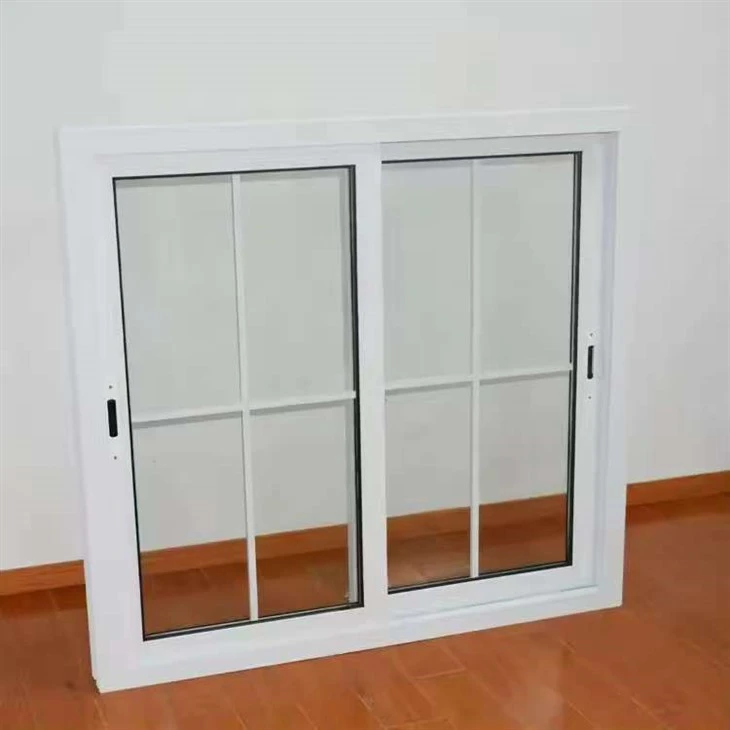
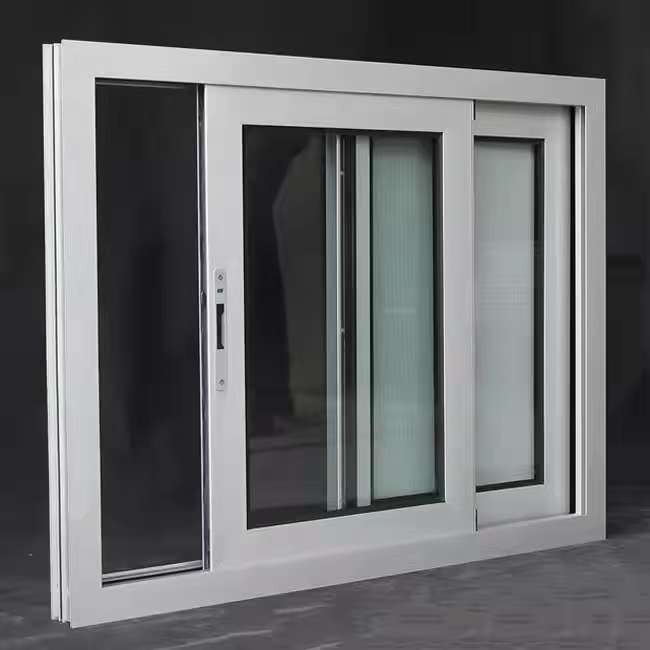
In addition, vinyl windows and doors may be more prone to damage from impacts and scratches. Unlike wood or aluminum, which can be repaired or refinished, vinyl may need to be replaced if it is damaged. This can be a costly and time-consuming process, especially if the windows or doors are custom-made.
Difficulty in Repair and Replacement
Repairing and replacing vinyl windows and doors can be more difficult and expensive than other materials. Vinyl is a relatively brittle material that can crack or break easily, especially if it is exposed to extreme temperatures or impacts. Once a vinyl window or door is damaged, it may be difficult to find a replacement part that matches the original.
In addition, vinyl windows and doors may require specialized tools and techniques to repair or replace. This can make it difficult for homeowners or contractors to perform the repairs themselves, and may require the services of a professional. This can add to the cost and time required to repair or replace the windows or doors.
Conclusion
While vinyl windows and doors have many advantages, such as affordability, durability, and low maintenance, they also have a number of disadvantages. These include limited aesthetic appeal, poor energy efficiency in extreme temperatures, environmental concerns, limited structural integrity, and difficulty in repair and replacement.
As a supplier of architectural windows and doors, I understand that every project is unique, and the choice of material will depend on a variety of factors, including the budget, the style of the building, and the environmental conditions. If you are considering using vinyl for your next project, I encourage you to weigh the advantages and disadvantages carefully and to consult with a professional to determine the best option for your needs.
If you're interested in exploring alternative options, we offer a range of products that may be better suited to your requirements. Check out our Custom Made Plantation Shutters, UPVC Two Track Sliding Window, and Slimline Sliding Windows for more information.
If you have any questions or would like to discuss your project in more detail, please don't hesitate to contact us. We're here to help you make the best decision for your home or business.
References
- "Vinyl Windows: Pros and Cons." HomeAdvisor.
- "The Environmental Impact of Vinyl." Green Building Advisor.
- "Vinyl Windows: Are They Right for Your Home?" This Old House.