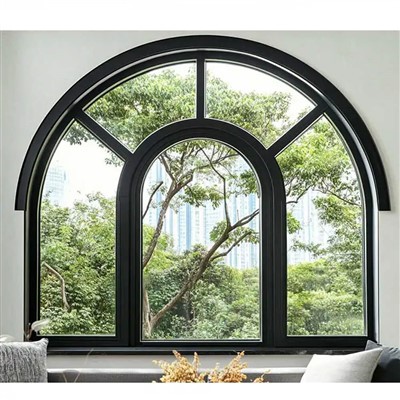
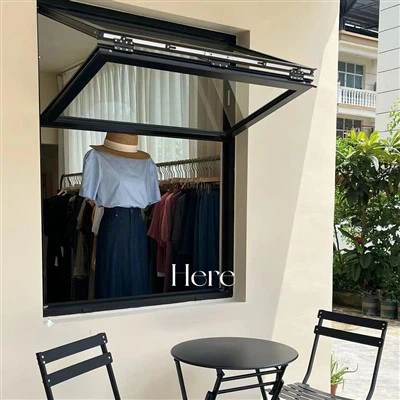
What is the air infiltration rate of slide and fold aluminium windows?
As a supplier of Slide And Fold Aluminium Windows, I often encounter questions from customers about the air infiltration rate of these windows. Understanding this concept is crucial for both homeowners and architects, as it directly impacts energy efficiency, indoor comfort, and the overall performance of a building.
Understanding Air Infiltration Rate
Air infiltration refers to the unintentional flow of outdoor air into a building through cracks, gaps, and other openings in the building envelope, including windows. The air infiltration rate is a measure of how much air passes through a window under specific conditions, typically expressed in cubic feet per minute per square foot of window area (cfm/ft²) at a given pressure differential.
The air infiltration rate is an important factor to consider because it can significantly affect a building's energy consumption. When outdoor air infiltrates a building, it can bring in heat during the summer and cold air during the winter, forcing the heating and cooling systems to work harder to maintain a comfortable indoor temperature. This not only increases energy bills but also reduces the lifespan of the HVAC equipment.
Factors Affecting the Air Infiltration Rate of Slide and Fold Aluminium Windows
Several factors can influence the air infiltration rate of slide and fold aluminium windows. These include:


- Window Design: The design of the window plays a significant role in determining its air infiltration rate. Slide and fold aluminium windows typically have multiple panels that slide or fold to open and close. The joints and seals between these panels need to be properly designed and installed to prevent air leakage. Windows with a tight-fitting design and high-quality seals will generally have a lower air infiltration rate.
- Frame Material and Construction: Aluminium is a popular choice for window frames due to its durability, strength, and resistance to corrosion. However, the quality of the aluminium frame and its construction can also affect the air infiltration rate. Frames with a thicker wall section and a well-designed thermal break can provide better insulation and reduce air leakage.
- Glazing: The type of glazing used in the window can also impact the air infiltration rate. Double or triple glazing, which consists of multiple layers of glass separated by air or gas-filled spaces, can provide better insulation and reduce air leakage compared to single glazing. Additionally, low-emissivity (Low-E) coatings on the glass can further improve energy efficiency by reducing heat transfer.
- Installation Quality: Even the best-designed and highest-quality windows can have a high air infiltration rate if they are not installed correctly. Proper installation is crucial to ensure that the windows are level, plumb, and tightly sealed against the building envelope. Any gaps or cracks around the window frame can allow air to leak in, increasing the air infiltration rate.
Measuring the Air Infiltration Rate
The air infiltration rate of slide and fold aluminium windows is typically measured using a standardized test method, such as ASTM E283 or EN 12207. These tests involve subjecting the window to a specific pressure differential and measuring the amount of air that passes through the window under those conditions.
The results of these tests are usually reported as a numerical value, such as cfm/ft² at a specific pressure differential (e.g., 0.3 cfm/ft² at a pressure differential of 1.57 pounds per square foot). The lower the air infiltration rate, the better the window is at preventing air leakage.
Importance of Low Air Infiltration Rate
A low air infiltration rate is important for several reasons:
- Energy Efficiency: As mentioned earlier, a low air infiltration rate can significantly reduce a building's energy consumption by preventing the loss of heated or cooled air. This can result in lower energy bills and a more sustainable building.
- Indoor Comfort: By reducing air leakage, a low air infiltration rate can help maintain a more consistent indoor temperature and reduce drafts. This can improve the comfort of the building's occupants, especially in extreme weather conditions.
- Noise Reduction: A tight-fitting window with a low air infiltration rate can also help reduce the amount of outdoor noise that enters the building. This can be particularly beneficial for buildings located in noisy areas, such as near busy streets or airports.
- Moisture Control: Air infiltration can also bring in moisture from the outside, which can lead to condensation, mold growth, and other moisture-related problems. A low air infiltration rate can help prevent these issues by reducing the amount of moisture that enters the building.
Our Slide And Fold Aluminium Windows
At our company, we are committed to providing high-quality slide and fold aluminium windows with a low air infiltration rate. Our windows are designed with the latest technology and materials to ensure maximum energy efficiency, durability, and performance.
We use only the highest-quality aluminium frames, which are designed to provide excellent insulation and reduce air leakage. Our frames are available in a variety of finishes and colors to match any architectural style.
In addition to our high-quality frames, we also offer a range of glazing options, including double and triple glazing with Low-E coatings. These glazing options provide excellent insulation and reduce heat transfer, further improving the energy efficiency of our windows.
Our installation team is highly trained and experienced in installing slide and fold aluminium windows. We use the latest installation techniques and tools to ensure that our windows are installed correctly and tightly sealed against the building envelope. This helps to minimize air leakage and ensure that our windows perform at their best.
Other Window Options
In addition to our slide and fold aluminium windows, we also offer a range of other window options, including Hurricane Proof Awning Windows, Custom French Windows, and Architectural Windows And Doors. These windows are also designed with high-quality materials and the latest technology to provide excellent energy efficiency, durability, and performance.
Contact Us for Procurement
If you are interested in learning more about our slide and fold aluminium windows or any of our other window options, please contact us for a free consultation. Our team of experts will be happy to answer any questions you may have and help you choose the right windows for your project. We look forward to working with you and helping you create a more energy-efficient and comfortable building.
References
- ASTM E283 - Standard Test Method for Determining Rate of Air Leakage Through Exterior Windows, Skylights, Doors, and Curtain Walls Under Specified Pressure Differences Across the Specimen.
- EN 12207 - Windows and doors - Air permeability - Classification.