


Hey there, basketball enthusiasts and facility managers! As a lighting supplier, I've seen firsthand how crucial proper lighting is for a basketball court. Whether it's a professional arena, a community center court, or a backyard hoop setup, the right lighting can transform the playing experience. So, let's dive into what makes the best lighting for a basketball court.
Why Good Lighting Matters in Basketball
First off, why is lighting so important in basketball? Well, basketball is a fast - paced sport where players need to react quickly. Good lighting helps players see the ball clearly, judge distances accurately, and avoid collisions. It also enhances the overall viewing experience for spectators, whether they're in the stands or watching on TV.
Inadequate lighting can lead to all sorts of problems. Shadows can make it hard to track the ball, and poor visibility can increase the risk of injuries. Plus, if the lighting is too dim or uneven, it can affect the performance of the players and the enjoyment of the game.
Key Factors for Basketball Court Lighting
Illuminance
Illuminance is basically the amount of light that falls on a surface. For a basketball court, the illuminance levels need to be high enough to ensure clear visibility. According to international standards, the average illuminance on a professional basketball court should be around 500 - 1500 lux. For recreational courts, a lower level of around 200 - 500 lux may be sufficient, but it still needs to be evenly distributed.
Uniformity
Uniformity of lighting is just as important as illuminance. A uniform lighting distribution means that there are no significant differences in brightness across the court. If there are bright spots and dark areas, it can be extremely distracting for the players. A good rule of thumb is to aim for a uniformity ratio of at least 0.7, which means the minimum illuminance should be at least 70% of the maximum illuminance.

Color Rendering Index (CRI)
The CRI measures how accurately a light source reveals the true colors of objects compared to natural light. In basketball, a high CRI is essential. A CRI of 80 or above is recommended. This ensures that players can clearly distinguish the colors of the ball, the court lines, and the uniforms, which is crucial for gameplay.
Glare Control
Glare is a major issue in sports lighting. It can cause discomfort and reduce visibility, especially when players are looking up at the lights or when the lights reflect off the shiny surface of the ball. To control glare, lighting fixtures should be properly shielded and positioned. The use of indirect lighting or fixtures with special anti - glare lenses can also help.
Types of Lighting for Basketball Courts
LED Lighting
LED lighting has become the go - to choice for basketball courts in recent years, and for good reason. LEDs are energy - efficient, which can result in significant cost savings over time. They also have a long lifespan, reducing the need for frequent replacements. LED lights can provide high levels of illuminance with excellent color rendering and can be easily controlled to achieve uniform lighting.
For example, we offer a range of LED floodlights that are perfect for outdoor basketball courts. These floodlights can be adjusted to direct light exactly where it's needed, minimizing light spillage and glare. And if you're looking for indoor options, our Round Chandelier Modern can add a touch of style while providing ample illumination.
Metal Halide Lighting
Metal halide lights were once the standard for sports lighting. They produce a bright, white light and have a relatively high CRI. However, they are less energy - efficient than LEDs and have a shorter lifespan. They also take some time to warm up and restart if they go out. Metal halide lighting may still be a viable option for some older facilities or budget - conscious projects, but LEDs are generally a better long - term investment.
Fluorescent Lighting
Fluorescent lights are commonly used in smaller, indoor basketball courts, such as those in community centers or schools. They are relatively inexpensive and energy - efficient. However, they may not provide the same level of brightness and color accuracy as LED or metal halide lights. Our Coastal Flush Mount Ceiling Light is a type of fluorescent lighting that can be a good choice for smaller indoor courts, offering a nice balance of cost and performance.
Lighting Design for Different Types of Basketball Courts
Professional Arenas
In professional arenas, the lighting needs to meet the highest standards. Multiple lighting zones are often used to ensure uniform illumination during games, practices, and events. High - intensity LED floodlights are typically installed on high - rise structures around the court to provide wide - area coverage. These arenas also need to consider lighting for TV broadcasts, which may require additional lighting fixtures and specific color temperatures.
Community Centers and School Courts
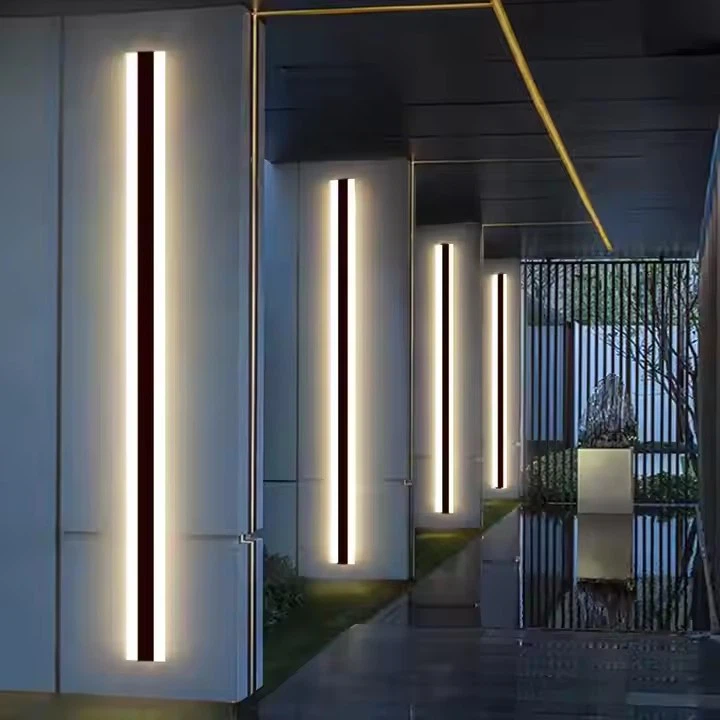
Community centers and school courts usually have more budget constraints. A combination of ceiling - mounted LED fixtures and wall - mounted lights can be used to achieve adequate lighting. Our Hotel Wall Lamp can be a practical option for these types of courts, providing supplementary lighting along the walls. The lighting design should focus on simplicity and cost - effectiveness while still meeting the basic requirements for illuminance and uniformity.
Backyard Courts
Backyard basketball courts are all about creating a fun and functional playing environment. For these courts, LED string lights or small floodlights can be a great option. They are easy to install and can add a festive touch to the court. You can also use solar - powered lights to save on energy costs, although they may not provide as much light as traditional electrical lights.
Conclusion
So, there you have it! The best lighting for a basketball court depends on a variety of factors, including illuminance, uniformity, CRI, and glare control. LED lighting is generally the top choice due to its energy efficiency, long lifespan, and high performance. However, the specific lighting solution will vary depending on the type of court, budget, and other requirements.
If you're in the market for lighting for your basketball court, whether it's a professional arena, a community center, or a backyard setup, I'd love to help. We have a wide range of lighting products to suit every need and budget. Don't hesitate to reach out for a consultation and let's work together to create the perfect lighting for your basketball court.
References
- "Sports Lighting Handbook" by the Illuminating Engineering Society
- International Basketball Federation (FIBA) lighting standards


