As a lighting supplier with years of experience in the industry, I understand the crucial role that lighting plays in various commercial spaces, especially nail salons. The right lighting can transform the ambiance of a nail salon, enhance the quality of the services provided, and attract more customers. In this blog post, I will delve into the factors to consider when choosing lighting for a nail salon and recommend some suitable lighting options.
Factors to Consider When Choosing Lighting for a Nail Salon
Color Temperature
Color temperature is measured in Kelvins (K) and refers to the perceived warmth or coolness of the light. For a nail salon, a color temperature between 4000K and 5000K is generally recommended. This range provides a balanced, natural - looking light that closely resembles daylight. It allows both the nail technicians and customers to accurately assess nail colors, ensuring that the final result is as expected. Lighting with a lower color temperature (e.g., 2700K - 3000K) tends to produce a warm, yellowish light, which can distort the true color of nail polish. On the other hand, a very high color temperature (above 6000K) may give a cold, bluish light, which can be unflattering and make the salon environment feel sterile.
Color Rendering Index (CRI)
The CRI is a scale from 0 to 100 that measures how accurately a light source can reveal the true colors of objects compared to natural light. A high CRI (90 or above) is essential for a nail salon. This enables nail technicians to see the exact shade of nail polish and ensures that customers can make informed decisions about their nail color choices. Lights with a low CRI may cause colors to appear dull or different than they actually are, leading to dissatisfaction with the nail - painting process.
Brightness
Adequate brightness is vital in a nail salon. The workspace, including the areas where clients are having their nails done, should be well - lit to allow technicians to perform their tasks with precision. A general illumination level of around 500 - 750 lux is recommended for the main work areas. However, it's also important to create a comfortable and relaxing environment for customers. Areas like the waiting room can have slightly lower brightness levels, around 300 - 400 lux, to create a more inviting and cozy atmosphere.
Glare and Shadows
Minimizing glare and shadows is crucial for a positive experience in a nail salon. Glare can be distracting for both technicians and customers, causing eye strain. Shadows can make it difficult for technicians to see the details of the nails clearly. Using diffused lighting sources or adjusting the placement of lights can help reduce glare. For example, installing light fixtures with frosted glass or using indirect lighting techniques can effectively diffuse the light and create a more uniform illumination.
Suitable Lighting Options for a Nail Salon
Task Lighting
Task lighting is essential for the work areas in a nail salon. Desk lamps or adjustable spotlights can be used to provide focused light on the nails. These lights should be adjustable in terms of angle and brightness to meet the specific needs of different nail procedures. For example, when performing detailed nail art, a brighter and more focused light is required. Adjustable LED task lights are a great choice as they are energy - efficient, have a long lifespan, and can provide a high - quality light source.
Ambient Lighting
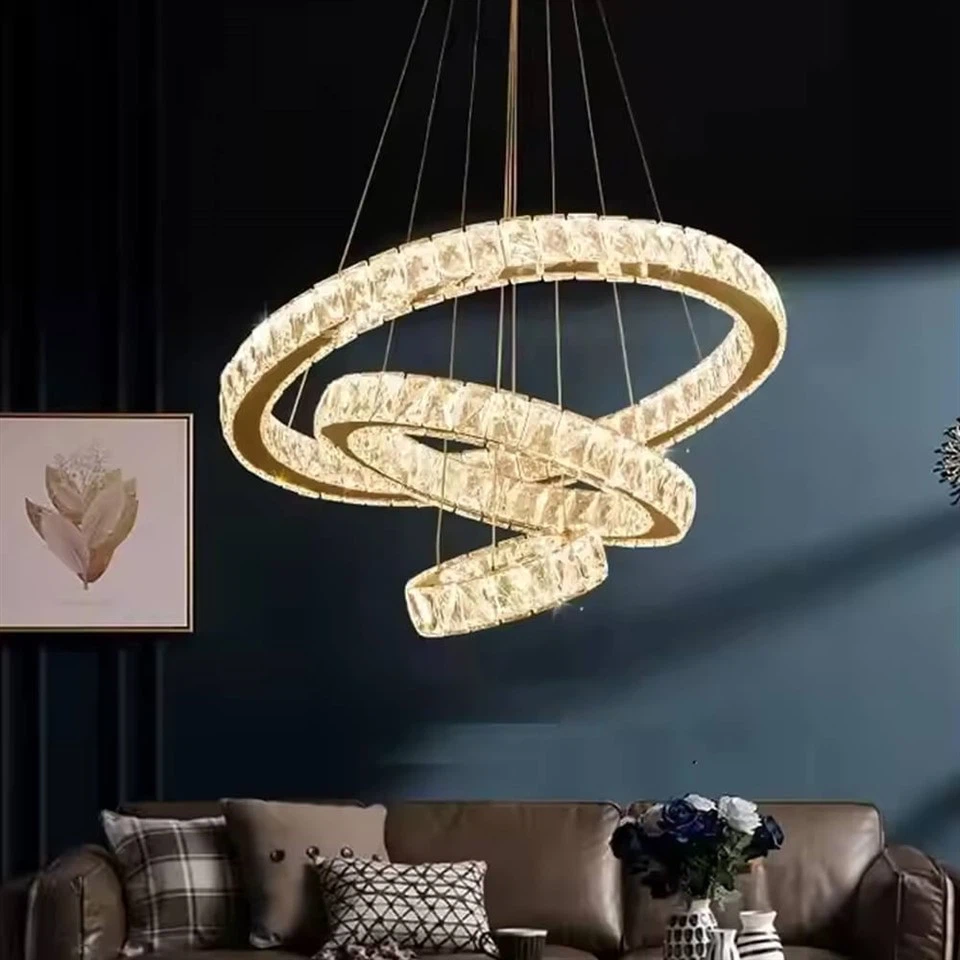
Ambient lighting sets the overall tone and mood of the nail salon. It should be evenly distributed throughout the space to create a welcoming and comfortable environment. Pendant lights are a popular choice for ambient lighting in nail salons. The Round Chandelier Modern can add a touch of elegance and style to the salon. Its modern design can complement various interior decor styles, and it can provide sufficient illumination for the entire area.
Wall Lighting
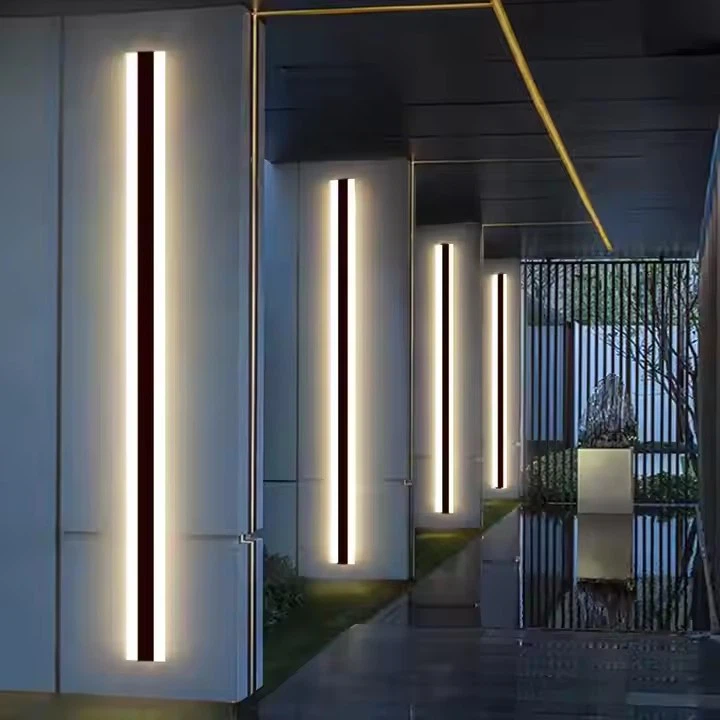
Wall lamps can be used to enhance the aesthetic appeal of the nail salon and provide additional lighting. The Hotel Wall Lamp is a great option. It can be installed along the walls to create a soft, indirect light that adds warmth and depth to the space. Wall lamps can also be used to highlight certain areas of the salon, such as display cases or decorative elements.
Decorative Lighting
Decorative lighting can add a fun and unique element to the nail salon. The Rattan Light Up Reindeer can be a great addition during the holiday season or as a year - round decorative piece. It can attract attention and create a more engaging and memorable customer experience.
Lighting Layout for a Nail Salon
Zoning
When designing the lighting layout for a nail salon, it's important to divide the space into different zones based on their functions. The main work areas, waiting room, and retail area should each have their own appropriate lighting levels and styles. For the work areas, focus on task lighting and adequate ambient lighting to ensure a well - lit environment. The waiting room can have softer, more relaxing lighting to make customers feel at ease. The retail area may require brighter lighting to showcase products effectively.
Layers of Lighting
Creating layers of lighting is a key strategy for a successful nail salon lighting design. Combine ambient, task, and decorative lighting to add depth and dimension to the space. For example, start with ambient lighting from pendant lights to provide the overall illumination. Then, add task lighting at the workstations for detailed work. Finally, incorporate decorative lighting to enhance the visual appeal of the salon.
The Benefits of Good Lighting in a Nail Salon
Improved Customer Experience
Good lighting can significantly enhance the customer experience in a nail salon. A well - lit and inviting environment makes customers feel more comfortable and relaxed. They can better appreciate the quality of the salon's services and the details of their nail art. Additionally, accurate color perception provided by good lighting allows customers to choose the nail colors they truly want, leading to higher satisfaction.
Enhanced Productivity for Technicians
Proper lighting is essential for nail technicians to perform their jobs effectively. Adequate brightness, color accuracy, and minimal glare and shadows enable them to work with more precision and efficiency. This can lead to higher - quality services and potentially increased customer loyalty.
Aesthetic Appeal
The right lighting can transform the look of a nail salon. It can make the space appear more spacious, modern, and stylish. This can attract new customers and differentiate the salon from its competitors.
Conclusion
Choosing the best lighting for a nail salon involves careful consideration of factors such as color temperature, CRI, brightness, glare, and shadows. By selecting suitable lighting options and creating a well - thought - out lighting layout, you can enhance the customer experience, improve technician productivity, and make your nail salon more visually appealing.
If you are in the process of setting up a new nail salon or looking to upgrade the lighting in your existing one, I'd love to help. As a lighting supplier, I can offer a wide range of high - quality lighting products and professional advice to meet your specific needs. Contact me to start a procurement discussion and let's create the perfect lighting solution for your nail salon.
References
- Illuminating Engineering Society (IES). Lighting Handbook.
- Interior Design Magazine. Lighting trends for commercial spaces.