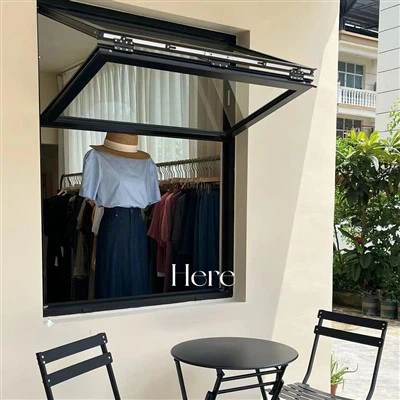
Hey there! As a supplier of Aluminium Tilt And Turn Windows, I often get asked about the frost resistance of these windows. It's a crucial factor, especially in regions where winters can be pretty harsh. So, let's dive right in and explore what makes aluminium tilt and turn windows resistant to frost.
Understanding Frost Resistance
First off, what exactly do we mean by frost resistance? Frost forms when the temperature of a surface drops below the dew point, and the water vapor in the air turns directly into ice. For windows, this can lead to a few problems. Frost on the glass can reduce visibility, and in extreme cases, it can even cause damage to the window frame and seals.
How Aluminium Helps with Frost Resistance
One of the key features of aluminium tilt and turn windows is the material itself. Aluminium is a great conductor of heat, but when it comes to window frames, modern manufacturing techniques have addressed this issue. Most aluminium window frames are now thermally broken. A thermal break is a layer of insulating material, usually a polyamide strip, that is inserted between the inner and outer parts of the aluminium frame. This breaks the path of heat transfer, preventing the cold from seeping through the frame and onto the glass.


Let's talk about the glass. Double or triple glazing is commonly used in aluminium tilt and turn windows. Double glazing consists of two panes of glass separated by a layer of air or an insulating gas like argon. Triple glazing has three panes with two insulating layers. This setup significantly reduces heat loss through the glass, keeping the interior warm and the exterior cold. The insulating gas between the panes acts as a barrier, preventing the transfer of heat and reducing the likelihood of frost forming on the glass.
Sealing and Insulation
Another important aspect of frost resistance is the sealing of the windows. Aluminium tilt and turn windows are designed with high - quality seals that prevent air leakage. When air can't get in or out, it helps to maintain a consistent temperature inside the window cavity. This is crucial because if cold air can seep in, it can lower the temperature of the glass and cause frost to form.
The seals are usually made of rubber or silicone, which are flexible and durable. They create a tight seal around the window when it's closed, keeping the cold out and the warmth in. Additionally, the tilt and turn mechanism itself can contribute to better sealing. When the window is tilted, it allows for natural ventilation while still maintaining a good seal around the edges.
Testing and Standards
In the window industry, there are specific tests and standards for frost resistance. Windows are tested under controlled conditions to determine their ability to resist frost formation. For example, the European Standard EN 12608 measures the thermal transmittance (U - value) of windows. A lower U - value indicates better insulation and, therefore, better frost resistance.
As a supplier, we ensure that our aluminium tilt and turn windows meet or exceed these standards. We work with manufacturers who use the latest technology and high - quality materials to produce windows that can withstand even the coldest winters.
Comparing with Other Window Types
Let's briefly compare aluminium tilt and turn windows with some other common window types in terms of frost resistance.
- Hopper Window: Hopper windows are hinged at the bottom and open inward at the top. While they can be energy - efficient, they may not have the same level of frost resistance as aluminium tilt and turn windows. You can learn more about Hopper Windows here.
- Tilt in Sash Windows: Tilt in sash windows allow the sash to tilt inwards for easy cleaning. However, their design may not provide the same level of insulation and frost resistance as aluminium tilt and turn windows. Check out Tilt in Sash Windows for more details.
- Fixed Skylight Window: Fixed skylight windows are great for letting in natural light, but they can be more prone to frost formation due to their exposure to the elements. To know more about Fixed Skylight Windows, click here.
Benefits of Frost - Resistant Aluminium Tilt And Turn Windows
There are several benefits to choosing frost - resistant aluminium tilt and turn windows.
- Energy Efficiency: By reducing heat loss, these windows can help lower your energy bills. You won't have to rely as much on heating systems to keep your home warm during the winter.
- Comfort: A frost - free window means a more comfortable living environment. You won't have to deal with cold drafts or the inconvenience of scraping frost off the glass.
- Durability: Aluminium is a durable material, and with proper maintenance, these windows can last for many years. The frost - resistant features also help to protect the window from damage caused by freezing temperatures.
Conclusion
In conclusion, the frost resistance of aluminium tilt and turn windows is a result of several factors, including the use of thermally broken frames, double or triple glazing, high - quality seals, and adherence to industry standards. These windows offer a great solution for homeowners in cold climates, providing energy efficiency, comfort, and durability.
If you're in the market for new windows and want to learn more about our aluminium tilt and turn windows, don't hesitate to reach out. We're here to answer any questions you may have and help you make the best choice for your home. Whether you're building a new house or renovating an existing one, our windows can make a significant difference in your living environment.
References
- EN 12608 - Windows, doors and shutters - Thermal performance - Calculation of thermal transmittance
- Various industry reports on window energy efficiency and frost resistance.