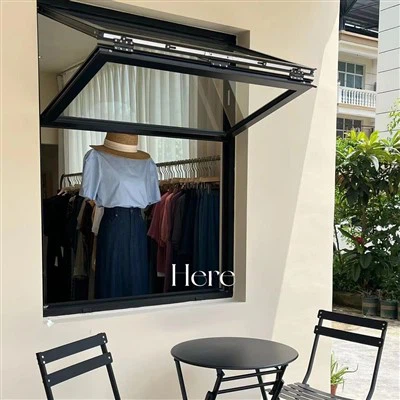
When purchasing a sunshade, one of the critical factors to consider is its resistance to fading. Fading not only affects the aesthetic appeal of the sunshade but can also indicate a degradation of its overall quality and functionality. As a trusted sunshade supplier, we understand the importance of providing high - quality products with excellent fading resistance. In this blog, we will explore what fading resistance means, the factors that influence it, and how to assess it when buying a sunshade.
What is Fading Resistance?
Fading resistance refers to a sunshade's ability to maintain its original color and appearance over time when exposed to various environmental factors, primarily sunlight. Sunlight contains ultraviolet (UV) rays, which are the main culprit behind color fading. UV rays break down the chemical bonds in the dyes used to color the sunshade material, causing the color to fade and become less vibrant.
A sunshade with good fading resistance will retain its color for a longer period, even after continuous exposure to sunlight. This is important not only for the visual appeal of the sunshade but also for its resale value and overall durability. A faded sunshade may look shabby and unkempt, which can detract from the overall look of your outdoor space.
Factors Influencing Fading Resistance
1. Material Quality
The type of material used in the sunshade plays a significant role in its fading resistance. Different materials have different levels of natural resistance to UV rays. For example, high - quality synthetic fabrics such as polyester and acrylic are often treated with UV inhibitors during the manufacturing process. These inhibitors help to block the UV rays and prevent them from breaking down the dye molecules.
On the other hand, natural fibers like cotton are more prone to fading because they do not have the same built - in protection against UV rays. While cotton can be treated to improve its UV resistance, it generally does not offer the same level of long - term fading resistance as synthetic materials.
2. Dye Quality
The quality of the dye used to color the sunshade is also crucial. High - quality dyes are formulated to be more resistant to UV rays. They are often made with special pigments that have a stronger molecular structure, making them less likely to break down when exposed to sunlight.
Some manufacturers use low - quality dyes to cut costs, which can result in a sunshade that fades quickly. When buying a sunshade, it's important to inquire about the type of dye used and whether it has been tested for UV resistance.
3. Manufacturing Process
The way the sunshade is manufactured can also affect its fading resistance. A well - made sunshade will have a uniform application of dye, ensuring that all parts of the material are equally protected. Additionally, proper finishing processes can help to seal the dye in the material and prevent it from leaching out over time.
For example, some sunshades are treated with a special coating after dyeing to enhance their UV resistance. This coating acts as an additional barrier against the sun's rays and can significantly improve the fading resistance of the sunshade.
4. Environmental Conditions
The environment in which the sunshade will be used also plays a role in its fading resistance. Sunshades located in areas with high levels of sunlight, such as deserts or tropical regions, will be exposed to more intense UV rays and are therefore more likely to fade.
Other environmental factors such as humidity, temperature, and air pollution can also affect the fading process. High humidity can cause the dye to absorb moisture, which can make it more susceptible to fading. Similarly, extreme temperatures can cause the material to expand and contract, which can also lead to color loss.
Assessing Fading Resistance When Buying a Sunshade
1. Check the Manufacturer's Claims
Most reputable sunshade manufacturers will provide information about the fading resistance of their products. Look for claims such as "UV - resistant," "fading - resistant," or "color - fast." However, it's important to be skeptical of these claims and to look for independent testing or certifications to back them up.
Some manufacturers may conduct their own in - house tests, while others may have their products tested by independent third - party laboratories. Look for certifications such as the ASTM (American Society for Testing and Materials) standards, which are widely recognized as a measure of quality and performance.
2. Examine the Material
When inspecting a sunshade, pay close attention to the material. Look for signs of uneven dyeing or color variations, which can indicate poor manufacturing quality. A high - quality sunshade should have a consistent color throughout the material.


You can also try to bend or stretch the material slightly to see if the color changes or if any dye rubs off. If the color fades or rubs off easily, it may be a sign that the sunshade has poor fading resistance.
3. Read Customer Reviews
Customer reviews can be a valuable source of information when it comes to assessing the fading resistance of a sunshade. Look for reviews from customers who have used the sunshade for an extended period of time and who have provided feedback on its color retention.
Keep in mind that some reviews may be biased, so it's important to read a variety of reviews from different sources to get a more accurate picture of the product's performance.
Our Sunshades and Fading Resistance
As a sunshade supplier, we are committed to providing our customers with high - quality products that offer excellent fading resistance. Our sunshades are made from top - grade materials, including UV - resistant polyester and acrylic fabrics. We use only the highest quality dyes and employ advanced manufacturing processes to ensure that our sunshades retain their color for years to come.
In addition to our standard sunshades, we also offer a range of specialized products such as Automatic Hurricane Shutters and Pergola Bioclimatic. These products are designed to withstand the harshest environmental conditions while maintaining their aesthetic appeal.
We also understand that some customers may have specific requirements for their outdoor spaces, such as a need for Waterproof Kitchen Units. That's why we offer a customizable service, allowing you to choose the material, color, and style of your sunshade to meet your exact needs.
Conclusion
When buying a sunshade, fading resistance is an important factor to consider. By understanding the factors that influence fading resistance and knowing how to assess it, you can make an informed decision and choose a sunshade that will look great and last for years.
As a trusted sunshade supplier, we are here to help you find the perfect sunshade for your outdoor space. Whether you need a simple patio sunshade or a more complex custom - designed solution, we have the expertise and the products to meet your needs. If you are interested in purchasing our sunshades or have any questions about our products, please do not hesitate to contact us for a purchase negotiation. We look forward to serving you and helping you create the perfect outdoor environment.
References
- ASTM International. Standards related to UV resistance and colorfastness of textiles.
- Textile Research Journal. Articles on the science of color fading in fabrics.
- Consumer Reports. Reviews and ratings of sunshades based on their performance, including fading resistance.