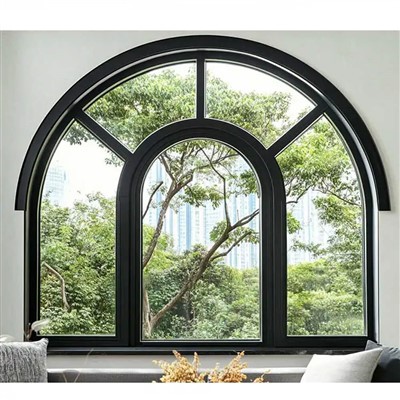
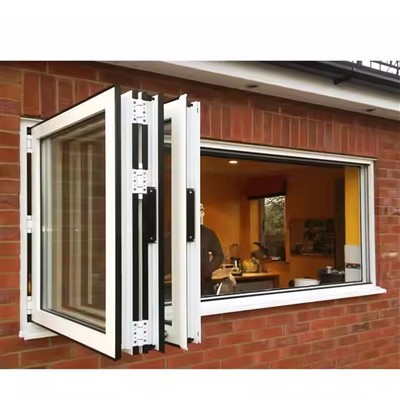
As a supplier of Arts Windows and Doors, I've had the privilege of exploring the diverse and intricate world of window and door design. The integration of art into these essential elements of architecture not only enhances their aesthetic appeal but also adds an extra layer of functionality and character to any space. In this blog, I'll delve into the various types of arts used in windows and doors design, shedding light on how they transform ordinary openings into captivating works of art.
1. Stained Glass Art
Stained glass is perhaps one of the most iconic forms of art used in window design. It has a rich history dating back centuries, with its origins often associated with religious buildings. The process of creating stained glass involves cutting and assembling pieces of colored glass, which are then held together by lead came or copper foil.
The beauty of stained glass lies in its ability to play with light. When sunlight passes through the colored glass, it creates a kaleidoscope of colors and patterns inside the building. This not only adds a touch of elegance but also provides a sense of tranquility and warmth. In modern architecture, stained glass is used not only in churches but also in luxury homes, commercial buildings, and even museums. For instance, in a Calgary Luxury Windows And Doors, stained glass can be incorporated into the design to create a focal point and add a sense of grandeur.
2. Etching and Engraving
Etching and engraving are other forms of art that can be used to adorn windows and doors. Etching involves using an acid or abrasive to create a design on the surface of the glass or metal. Engraving, on the other hand, is a more precise technique that uses a sharp tool to carve a design into the material.
These techniques can be used to create intricate patterns, images, or lettering. They can add a personalized touch to windows and doors, making them unique to the owner. For example, a family crest or a special message can be etched or engraved on the glass or metal surface. In the case of Double Leaf Casement Windows, etching or engraving can be used on the glass panels to enhance their visual appeal and make them stand out.
3. Mosaic Art
Mosaic art involves using small pieces of colored glass, stone, or ceramic to create a larger image or pattern. It has been used in architecture for thousands of years, from ancient Roman and Greek buildings to modern-day structures.
In window and door design, mosaic art can be used to create stunning visual effects. The small pieces of material can be arranged in a variety of patterns and colors, allowing for endless creative possibilities. Mosaic art can be used on the surface of the door or window frame, or even on the glass itself. It adds a sense of texture and depth to the design, making it more visually interesting.
4. Sculptural Elements
Sculptural elements can be incorporated into the design of windows and doors to add a three-dimensional aspect. This can include metal sculptures, wood carvings, or even stone reliefs. These elements can be used to create a focal point or to add a sense of drama to the design.
For example, a metal sculpture of a floral motif can be attached to the door frame, or a wood carving of a mythical creature can be placed above a window. In the case of Hurricane Proof Awning Windows, sculptural elements can be used not only for aesthetic purposes but also to reinforce the structural integrity of the window.
5. Digital Printing
With the advancement of technology, digital printing has become a popular way to incorporate art into window and door design. Digital printing allows for the precise reproduction of images, patterns, and colors on the surface of the glass or other materials.
This technique offers a high level of flexibility and creativity. It can be used to print anything from a simple geometric pattern to a complex photograph. Digital printing can also be used to create custom designs, making it ideal for clients who want a unique look for their windows and doors.
6. Geometric Patterns
Geometric patterns have been used in architecture for centuries, and they continue to be a popular choice in window and door design. These patterns, which include shapes such as squares, circles, triangles, and hexagons, can be used to create a sense of order and balance in the design.
Geometric patterns can be created using different materials, such as wood, metal, or glass. They can be used on the frame of the window or door, or on the glass panels themselves. In modern architecture, geometric patterns are often used to create a contemporary and minimalist look.
7. Artistic Hardware
The hardware used in windows and doors can also be considered a form of art. Handles, hinges, locks, and other hardware components can be designed in a variety of styles, from traditional to modern.
Artistic hardware can add a finishing touch to the design of windows and doors. For example, a decorative door handle can be made from brass or bronze, and it can be designed in a unique shape or pattern. This not only enhances the aesthetic appeal of the door but also provides a functional and durable solution.
Conclusion
The use of art in windows and doors design offers a wide range of possibilities for enhancing the beauty and functionality of any building. Whether it's through stained glass, etching, mosaic art, or digital printing, each form of art brings its own unique charm and character to the design.
At our company, we specialize in providing high-quality Arts Windows and Doors that incorporate these various forms of art. We understand the importance of creating a space that reflects your personal style and taste, and we are committed to working with you to bring your vision to life.
If you're interested in learning more about our products or would like to discuss a custom design for your windows and doors, we invite you to contact us. Our team of experts is ready to assist you in making the right choice for your home or commercial building. Let's work together to create a space that is not only beautiful but also functional and inspiring.


References
- Pevsner, N. (1976). An Outline of European Architecture. Penguin Books.
- Frampton, K. (2007). Modern Architecture: A Critical History. Thames & Hudson.
- Banham, R. (1960). Theory and Design in the First Machine Age. The Architectural Press.